
Pride and Prejudice: Chapters 1-10
“intricate characters are the most amusing.”

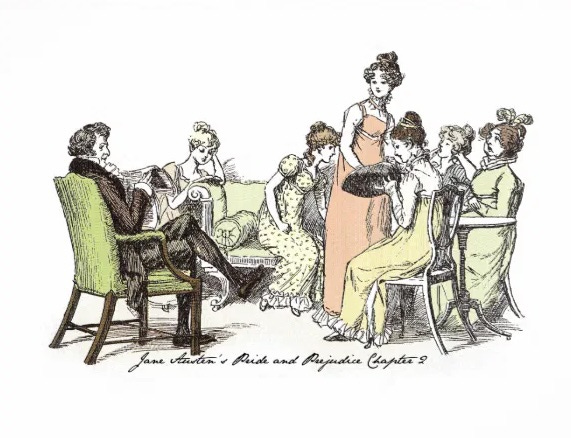
Hello, readers!
Welcome to our first discussion of Jane Austen’s masterpiece, Pride and Prejudice. I’m so excited to hear from everyone — I know there’s a lot of you who have never read it and a lot of you who have read it multiple times. There are surely things to glean from both sides of that coin.
Now, it would be impossible for me to give a full analysis of each week’s reading in these recaps and discussions. There are just too many layers to mine and there are people who have spent their careers studying Jane Austen’s works. So each Sunday, I’ll send a couple ideas that stood out to me, some of the lines I loved, and a couple questions to think about.
This week I don’t even get into Bingley and Darcy very much; there’s plenty of time for that later.
Let’s jump in!
First Impressions
What struck me the most over the course of these first ten chapters was just how precise Jane Austen’s vocabulary is, especially in portraying her characters. There are no vague descriptors; every word says exactly what she wants it to say. We see “sarcastic humour,” “caprice,” “ductility,” “pleasant countenance,” “proud,” “above being pleased,” and many more.
I had to look up definitions a few times, but it never felt like pretentiousness on Austen’s part. She was simply using the best, most precise word for the character and context. Most advice in the modern era encourages writers to use the simplest possible word for the job; in reality, that can mean a vague vocabulary that doesn’t actually say much. I’ve sure come to appreciate writers who trust readers (and themselves) enough to use a wide array of words. The English language is beautiful — let’s make the most of it!
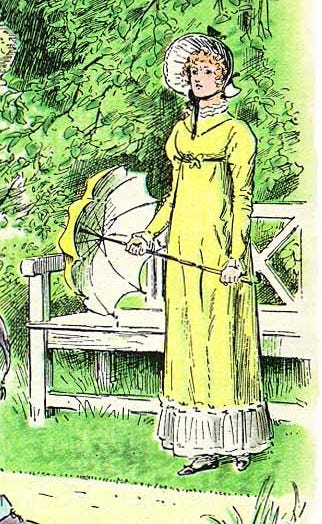
The Stakes
“The business of her life was to get her daughters married; its solace was visiting and news.”
From the first page, modern readers (myself included) get the impression that Mrs. Bennet is a bit flighty and overly concerned with her daughter’s marriage prospects while Mr. Bennet rightfully sits above it all and just rolls his eyes at the whole thing.
But the stakes are actually a bit higher than that. Because the estate is “entailed” away from the daughters, marriage is their only reliable path to long-term security. A “good” match isn’t just about vanity or social climbing; it’s the difference between a comfortable life and a precarious one. Mr. Bennet’s detachment, Mrs. Bennet’s anxiety, and the girls’ own hopes all sit atop a genuine economic threat. So while the tone feels light and is peppered with wit, the emotional and financial stakes driving these early encounters are anything but trivial.
Keep reading with a 7-day free trial
Subscribe to The Big Read to keep reading this post and get 7 days of free access to the full post archives.